
Heat relaxes you; cold shocks you awake. A sauna session loosens tight muscles and melts away stress, while a cold plunge sends an instant jolt of adrenaline through your body. Contrast therapy combines those two opposite sensations, cycling between heat and cold in a single visit.
Heat and cold pull your vascular system in opposite directions. Warmth opens up blood vessels and relaxes stiff muscles. Cold constricts them, driving blood toward your core and sharpening mental focus. The cycle leaves you feeling loose, refreshed, and recharged.
A July 2026 American Medical Association article noted that cold can temporarily ease pain, while heat improves mobility and muscle relaxation. Studies also suggest that contrast therapy can ease delayed-onset muscle soreness and help restore physical performance faster than rest alone.
Inside a Typical Session
At Degree Wellness Farmington Valley in Avon, contrast therapy happens in a private suite with a full-spectrum infrared sauna, a cold plunge tub, and a shower. Infrared heat warms your body directly, so you can settle in, sweat, and unwind. Then comes the plunge: your breath catches, your pulse quickens, and your body wakes up.
Infrared saunas warm your body directly without relying on heavy steam, making the heat feel manageable even over longer stretches. As your core temperature rises, muscle tension drops and your heart rate settles into a steady rhythm.
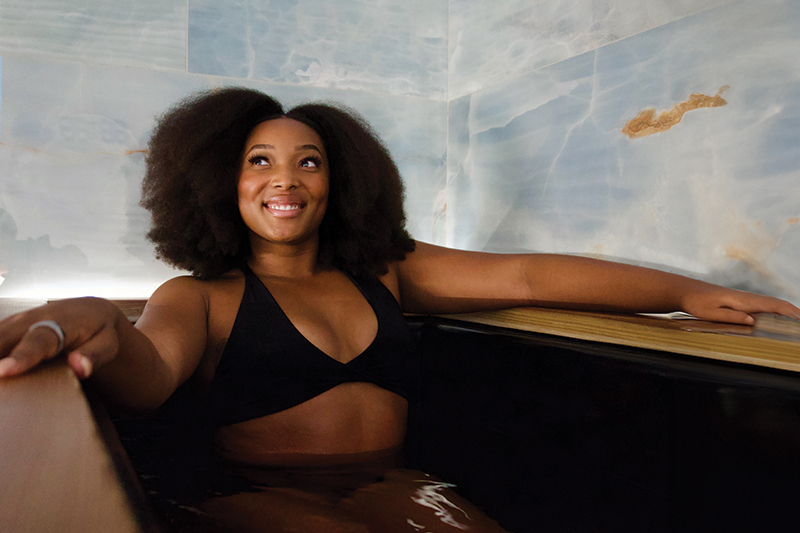
Then comes the cold plunge. Stepping into cold water forces your breath to catch, heightening focus and triggering thermogenesis – the process where your body burns energy to keep itself warm.
You don’t have to be an elite runner to benefit. Plenty of people do it simply because the contrast leaves them feeling grounded and refreshed.
Beyond Soothing Muscle Soreness
Rapid cold exposure spikes heart rate, speeds up breathing, and prompts a quick release of norepinephrine and other stress hormones. That initial rush is what leaves many people feeling instantly energized once they step out. Heat brings balance by promoting relaxation. Combined, the two leave many people feeling simultaneously rested and clear-headed.
With regular sessions, the payoff adds up: less stiffness after workouts, quicker bounce-back between training days, better sleep, and a brighter mood.
Setting, Safety, and Getting Started
Sessions at Degree Wellness run 30 or 60 minutes and include basics like robes, sandals, chilled water, and towels. You can listen to music or podcasts in the sauna via Bluetooth or finish up with an aromatherapy towel and shower.
At Degree, contrast therapy is just one part of the studio’s menu. Whole-body cryotherapy delivers a three-minute blast of subzero air that lifts your mood. Red light therapy rejuvenates skin and boosts energy, compression massage helps tired legs and hips recover, and a 30-minute LED light facial brings out your glow. Oxygen sessions provide a quick pick-me-up for mind and body. Registered nurses also offer IV drips, NAD+ therapy, and nutrient shots in blends like Energy, Immunity, and Beauty.
If you’re new to this therapy, start slowly. The AMA recommends letting your body adapt over time rather than jumping straight into prolonged hot-to-cold cycles. People with high blood pressure, heart conditions, or vascular issues should consult a physician before trying cold immersion.
For most everyone else, contrast therapy offers a straightforward way to combine two ancient recovery tools: sustained warmth, brief cold, and the sharp physical reset between them.
Hector and Diane Torrens, lifelong health advocates, discovered Degree Wellness while visiting family in Florida and were immediately drawn to its unique approach to recovery. Knowing Morgan Whitney, whose passion for yoga and heart-centred approach to functional health was the final piece that convinced them to bring the concept to the Farmington Valley. Together, they are excited to bring innovative therapies to Avon. Call 860-321-4534 or email: farmingtonvalleymanager@degreewellness.com.