
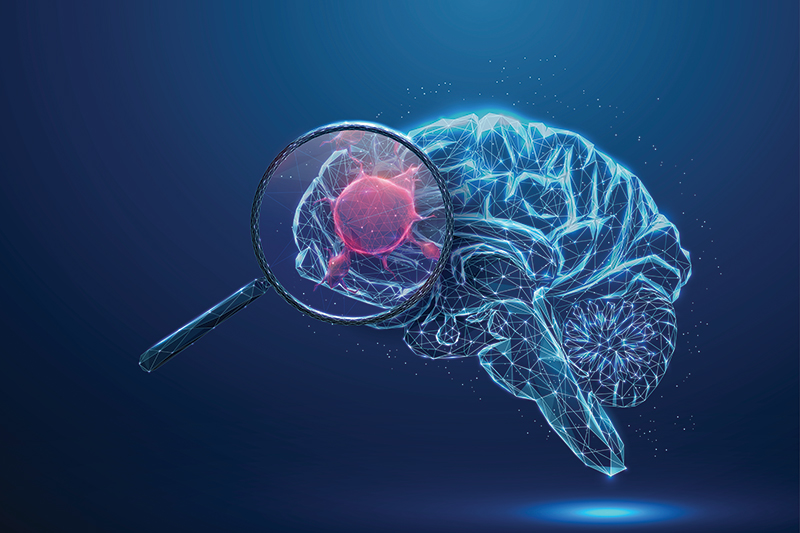
In health care today, inflammation is increasingly discussed and recognized as a root cause for many ailments. We hear about how it causes a range of diseases and symptoms, including weight gain, joint pain, fatigue, and gastrointestinal issues. We see natural products and diet plans flooding our email inboxes and social media accounts, all promising ways to reduce inflammation.
Unfortunately, one thing we don’t hear about is that the current inflammation epidemic is at its worst in our brains. We see the increased rates of dementia, cognitive changes, mood changes, and other neurologic conditions, but few are aware of the root cause, inflammation. All neurologic conditions can be traced to an inflammatory origin, but testing and managing inflammation in the brain are nonexistent in conventional medicine. Uncovering the causes of brain inflammation is life-changing but is rarely, if ever, addressed. It is one of the greatest blunders of modern medicine.
One of the challenges in addressing brain inflammation is that its symptoms are often subtle, gradual, and easily attributed to stress, aging, or lifestyle factors. These changes can develop silently over years, making early detection difficult and intervention delayed. This lack of visibility not only prevents timely care but also reinforces a cycle in which underlying inflammation continues unchecked.
What Is Neuroinflammation, and What Causes It?
Neuroinflammation is exactly what it sounds like. It is an immune response in the brain and central nervous system that can damage brain cells and alter brain function. We see inflammation presenting in most kids and adults daily through mood change, memory decline, cognitive changes, fatigue, behavioral changes like ADHD, seizure activity, and so on. But these symptoms of inflammation are rarely linked to the root causes of immune triggers, such as infections and toxins.
Neuroinflammation results from multiple immune triggers. Often, that immune response is triggered by exposure to an infection, toxin, allergen, or food. In my practice, some of the most common neuroinflammatory culprits, as research has shown, are Lyme disease, viral infections, toxins, and inflammatory dietary foods. These triggers alter the brain’s chemistry and function.
Our lifestyles can also perpetuate the inflammatory process. Highly processed inflammatory foods can add to inflammation in the brain. Poor sleep habits cause reduced oxygenation of the brain. Poor detoxification of our brain’s lymphatic system allows waste to accumulate and toxicity to develop. Poor hydration and sedentary lifestyles result in poor circulation to the brain, which further reduces oxygen and impairs brain detoxification. The list goes on.
Symptoms, Diseases, and Treatment Associated with Neuroinflammation
Symptoms can vary significantly. Commonly, headaches, head pressure, brain fog, fatigue, memory changes, cognitive focus, depression, anxiety, irritability, and neuropathy are clues that there are higher amounts of neuroinflammation than is normal. In children, additional symptoms such as behavioral changes, seizures, and bed wetting can be signs of neuronal inflammation.
Through clinical and research-based testing, many neurologic conditions have connected neuronal inflammation as their cause, including autoimmune diseases of the brain like multiple sclerosis (MS), Alzheimer’s and dementia, most mood changes like anxiety, depression, schizophrenia, bipolar, ADHD, as well as inflammatory cascades like PANS and PANDAS.
Unfortunately, Western medicine is very poor at recognizing neuroinflammation, resulting in inadequate management often with psychotropic pharmaceutical medication like antidepressants, stimulants, and mood stabilizers. And the worst part is that very few even realize that reversing the inflammatory cascade is very possible. Those who do identify the cause can resolve the inflammation, regenerate, recover, and heal.
My Approach to Neuroinflammation
The most important thing you can do to fix neuroinflammation is to identify the trigger and eliminate it with proper testing, which is rarely used in the conventional medical model. While the root cause has been identified and addressed, neural information can be managed effectively through supplementation, diet, and lifestyle. High doses of antioxidants, bioflavonoids, omega-3s, herbal formulations, and brain-specific nutrients, along with a quality, nutritious diet and adequate hydration, help stabilize neuroinflammatory symptoms. Avoid compounding inflammation by reducing sugar and processed foods and toxicants like alcohol and smoking, and get adequate sleep for oxygenation and recovery.
Addressing infections and toxins can take time, but they play a significant role in improving and resolving neuroinflammation. For those who have personally had or have known someone with neuroinflammation, it is important to realize that our current model of neurologic management is outdated and inadequate. There are tools to identify and treat the root causes of neuroinflammatory conditions and reverse the disease process.
Dr. Zach Moran of Roots Natural Medical Center is a board-certified and licensed naturopathic physician and has completed a medical residency program. He has an extensive research background and specializes in chronic infectious disease and environmental toxicity, which he believes to be at the core of most chronic diseases. Roots is a Naturopathic Medicinal Center that focuses on addressing foundational root causes of complex chronic diseases. The clinic aims to properly identify, diagnose, and treat patients with unexplained chronic illnesses. Our services are individualized and patient-focused, as medicine should be.
Visit: rootsmedicalcenter.com, email: info@rootsmedicalcenter.com, or call 860.471.1434 to learn more.